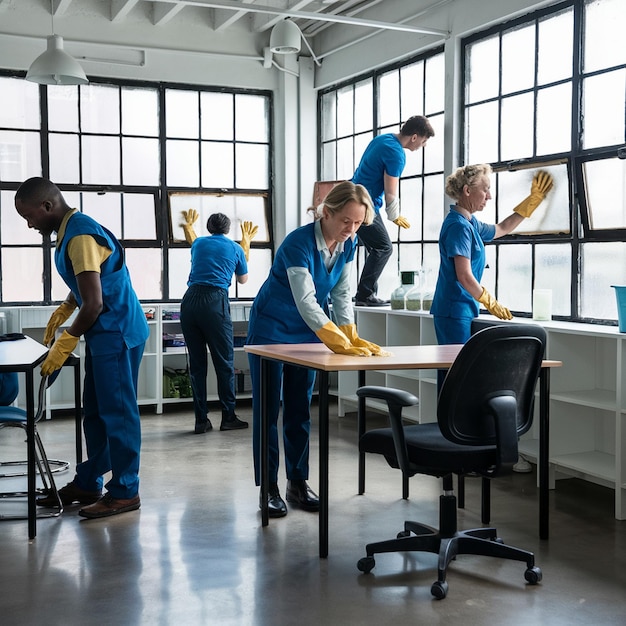
A Proven System for Institutional Facility Care
Our methodology combines protocol awareness, heritage sensitivity, and quality assurance to serve Hanoi's government, diplomatic, and historic buildings.
Return HomeThe Principles Behind Our Approach
We developed our methodology to address what institutional facilities actually need rather than what standard cleaning contracts typically provide.
Protocol Understanding Comes First
Institutional environments have requirements beyond cleanliness. Security procedures, confidentiality expectations, and formal communication standards all matter. We train teams to understand these protocols before they begin service, rather than learning through mistakes that could compromise facility operations.
Consistency Through Personnel Stability
Quality improvement happens when the same people serve a facility over time. They develop familiarity with spaces, preferences, and requirements. We maintain personnel stability by treating teams professionally and providing steady employment, which reduces turnover that undermines service quality.
Specialization for Heritage Materials
Historic buildings require different care than modern construction. Colonial-era plaster, original woodwork, and period fixtures can be damaged by standard cleaning methods. We developed specialized approaches through consultation with preservation experts and study of heritage conservation principles.
Documentation Creates Accountability
Written procedures, service logs, and quality checklists provide transparency. Institutional clients can review what work occurs, when, and by whom. This documentation also helps maintain standards when team members are absent or new personnel join established operations.
Why We Developed This Approach
When Vàng Sạch began operations in November 2013, we recognized that Hanoi's institutional facilities struggled to find cleaning services that understood their specific needs. Government offices required vetted personnel who grasped security protocols. Diplomatic premises needed discretion and formal communication. Heritage buildings demanded specialized material knowledge.
Standard residential or commercial cleaning approaches didn't address these requirements. We built our methodology around what these facilities actually needed, drawing on facility management best practices, heritage preservation guidelines, and diplomatic service standards. The result is a system designed for institutional environments rather than adapted from other contexts.
The Vàng Sạch Service Framework
Our process follows a structured approach that adapts to each facility's unique requirements while maintaining consistent quality standards.
Facility Assessment and Requirement Analysis
We conduct a comprehensive evaluation of your facility to understand layout, materials, protocols, and specific needs. This assessment includes meetings with facility management to discuss security requirements, heritage concerns, scheduling preferences, and communication expectations. The goal is to learn what matters to your organization before proposing solutions.
Personnel Selection and Vetting
We select team members based on your facility type and requirements. Government and diplomatic facilities receive personnel who have undergone background verification. Heritage buildings get staff with training in historic material care. All team members complete our baseline protocol training before facility assignment, ensuring they understand professional communication and institutional expectations.
Customized Procedure Development
We create written procedures specific to your facility, documenting cleaning schedules, product specifications, protocol requirements, and quality standards. These procedures address your unique needs while incorporating our institutional service best practices. Teams receive copies and training on facility-specific procedures before service begins.
Supervised Service Implementation
Initial service occurs under close supervision to ensure teams follow procedures and understand expectations. A dedicated supervisor maintains regular contact with facility management during this phase, addressing concerns and making procedure adjustments. This supervised period typically lasts four to six weeks as teams develop facility familiarity.
Quality Maintenance and Continuous Improvement
Once service establishes consistent patterns, we maintain quality through periodic supervisor reviews, ongoing team training, and regular facility management communication. We document any procedure modifications and update team training accordingly. This phase continues throughout the service relationship, adapting to changing facility needs while maintaining quality standards.
Adaptation for Different Facility Types
This framework applies to all facilities we serve, but implementation varies by context. Government offices emphasize security vetting and protocol compliance. Diplomatic premises focus on discretion and formal communication. Heritage buildings prioritize material-appropriate cleaning techniques. We adapt the framework to address what each facility type requires while maintaining our core approach.
Professional Standards and Quality Assurance
Heritage Preservation Guidelines
Our heritage building work follows guidelines from Vietnam's Ministry of Culture, Sports and Tourism for protected structures. We consult with preservation specialists about appropriate cleaning methods for historic materials, ensuring our techniques preserve rather than damage architectural heritage.
Personnel Background Verification
All personnel assigned to government and diplomatic facilities undergo background checks through authorized verification services. This process confirms identity, reviews employment history, and checks for relevant concerns. Only personnel who complete this verification work in sensitive environments.
Product Safety and Environmental Standards
We use cleaning products that meet Vietnamese safety standards and, for heritage applications, international conservation guidelines. Product selection balances effectiveness with material safety and environmental considerations. Teams receive training on proper product use and safety procedures.
Quality Documentation Systems
Our quality assurance includes written procedures, service checklists, and regular supervisor reviews. Documentation provides transparency about what work occurs and creates accountability for maintaining standards. Facilities receive copies of relevant documentation as part of service agreements.
Ongoing Training Investment
Teams receive periodic training updates covering new techniques, products, and protocols. Heritage building teams attend specialized workshops on historic material care. Government and diplomatic teams receive refresher training on security protocols and professional communication. This continuing education maintains service quality and addresses any performance gaps that emerge over time.
Limitations of Standard Cleaning Services
Generic Approach to Diverse Environments
Many cleaning services apply the same methods to all facility types. What works for commercial offices may not suit government buildings requiring security protocols, or heritage structures needing specialized material care. Without adaptation to facility context, service quality suffers and specific institutional needs go unaddressed.
High Personnel Turnover
Standard cleaning operations often experience frequent staff changes, which prevents teams from developing facility familiarity. Each new person requires training and makes mistakes while learning. This turnover cycle undermines consistency and means facilities never benefit from accumulated personnel knowledge about their spaces.
Lack of Protocol Understanding
Conventional services may not understand institutional communication expectations, security requirements, or confidentiality protocols. Teams arrive without proper vetting or protocol training, creating concerns for facilities handling sensitive information or hosting international delegations. This gap causes disruptions and requires constant facility management oversight.
Insufficient Heritage Expertise
Most cleaning services lack knowledge about historic building care. Using standard products and techniques on colonial-era materials can cause damage that accumulates over time. Without specialized training in heritage preservation, teams unknowingly harm the very structures they're meant to maintain.
Our Response to These Gaps
We address these limitations through personnel stability, specialized training, and facility-specific adaptation. Rather than applying generic methods, we invest time understanding what each facility needs. Our approach costs more to implement than standard services, but the investment produces outcomes that institutional facilities require - consistent quality, protocol compliance, and material-appropriate care delivered by familiar, vetted personnel.
What Makes Our Methodology Distinct
Institutional Focus
We serve only government, diplomatic, and heritage facilities. This specialization allows us to develop deep expertise in institutional requirements rather than spreading resources across diverse market segments. Our teams know these environments because they work exclusively in them.
Permanent Team Assignment
Facilities work with the same personnel throughout the service relationship. This permanence allows teams to develop facility expertise and build trust with organizational staff. When personnel changes become necessary, we manage transitions carefully to maintain service continuity.
Documented Procedures
Every facility receives written procedures specific to their requirements. This documentation creates transparency, maintains consistency, and provides reference material for personnel. Procedures evolve as we learn what works best for each facility, with changes documented and communicated.
Heritage Specialization
Our heritage building teams receive training from preservation specialists and follow Ministry guidelines for protected structures. We maintain relationships with conservation consultants who advise on complex material questions. This specialization allows us to serve Hanoi's historic architecture appropriately.
How We Track Service Quality
Quality Measurement Approach
We track service quality through multiple methods that provide different perspectives on how well we're meeting facility requirements. These measurements help us identify concerns early and maintain consistent standards.
Quality assessment is ongoing rather than periodic. Daily supervisor checks, weekly team reviews, and regular facility management communication create continuous feedback that allows quick response to any issues.
Supervisor Quality Reviews
Supervisors conduct regular facility inspections using standardized checklists that cover cleaning thoroughness, protocol compliance, and material care. These reviews occur weekly during initial service and monthly once quality stabilizes.
Facility Management Feedback
We maintain regular communication with facility managers to understand their satisfaction and concerns. Feedback guides procedure adjustments and helps us address issues before they become problems.
Service Documentation Review
Teams complete daily service logs documenting work performed, any issues encountered, and time allocation. Supervisors review these logs to ensure procedures are followed and identify any patterns requiring attention.
Personnel Performance Assessment
Individual team members receive periodic performance reviews covering technical skills, protocol understanding, and communication quality. These assessments identify training needs and recognize strong performance.
What Success Looks Like
Successful service shows consistent quality without requiring constant facility management oversight. Teams follow procedures reliably, address issues proactively, and communicate effectively. The facility maintains cleanliness standards appropriate to its institutional role. Over time, service becomes something facility managers simply rely on rather than actively manage, allowing them to focus attention on other facility priorities.
Methodology Built on Institutional Experience
Vàng Sạch developed this methodology over twelve years serving government offices, diplomatic facilities, and heritage buildings in Hanoi. Our approach reflects what we've learned about institutional facility requirements through direct experience with these environments.
The framework addresses challenges specific to institutional settings. Government offices need personnel who understand security protocols and confidentiality requirements. Diplomatic premises require discretion and formal communication standards. Heritage buildings demand knowledge about historic material care and preservation techniques. Our methodology adapts to these different requirements while maintaining consistent quality standards.
Personnel stability drives service quality in institutional environments. When the same teams serve a facility over months and years, they develop deep familiarity with spaces, protocols, and preferences. This accumulated knowledge improves service effectiveness and reduces the supervision burden on facility management. We maintain personnel stability through professional employment practices that contrast with high-turnover operations common in the cleaning industry.
Documentation creates transparency and accountability. Written procedures specific to each facility ensure teams understand requirements and provide reference material for quality maintenance. Service logs and supervisor reviews create records of work performed and issues addressed. Facilities receive copies of relevant documentation, allowing them to verify service delivery and understand what work occurs.
Heritage building work requires specialized expertise that standard cleaning services typically lack. Our teams receive training from preservation specialists and follow Ministry of Culture, Sports and Tourism guidelines for protected structures. This specialization allows us to serve Hanoi's colonial-era architecture and historic hotels with appropriate care that preserves rather than damages these important buildings.
The methodology continues to evolve as we learn from experience and adapt to changing facility needs. We incorporate new preservation techniques, update protocol training, and refine procedures based on what works in practice. This continuous improvement maintains service quality and ensures our approach remains relevant to the institutional facilities we serve.
See How Our Methodology Applies to Your Facility
We can explain how this framework would work for your specific situation and what you might expect from implementation.
Discuss Your Requirements